

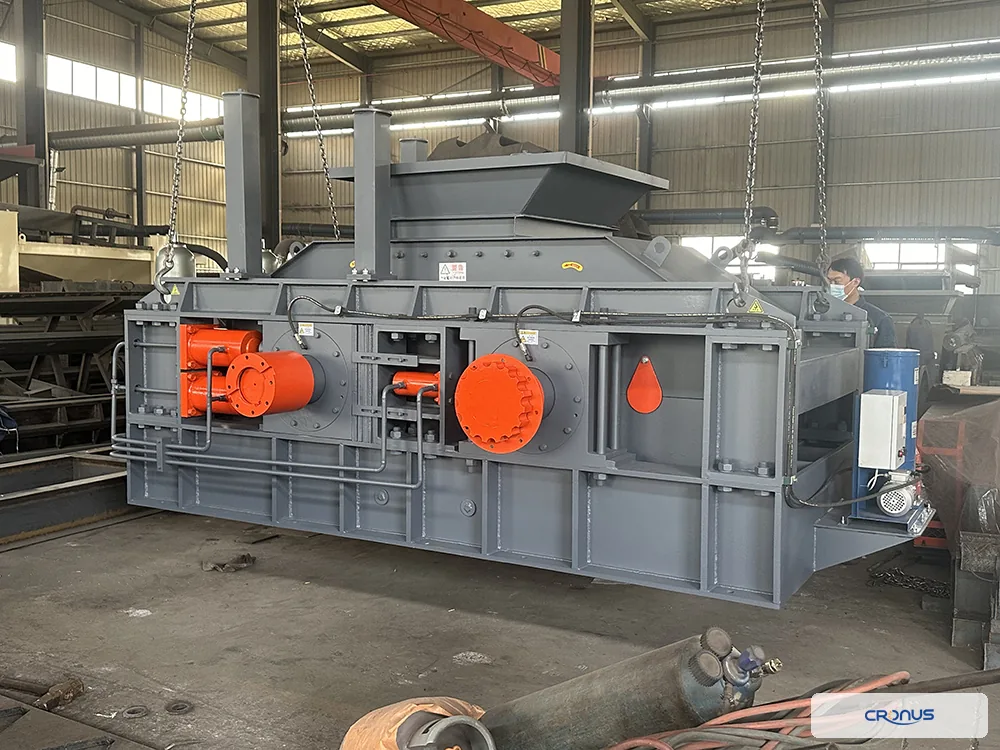
Hydraulic double-roll crusher · 2PGT / 2PGY
One pass to spec, with far less over-crushing.
Feed up to 100 mm, discharge down to 0–4 mm, and a roll gap you set from the control panel instead of a shim stack and a shutdown. Cronus builds the rolls, the hydraulics and the gear that lasts.
- Capacity
- 2–350 t/h
- Max feed
- 100 mm
- Models
- 14
- Building since
- 1973
Certified and audited
- ISO 9001
- ISO 14001
- ISO 45001
- CE
- High-Tech Enterprise
- Specialised & Sophisticated SME
The company behind the machine
Fifty years of foundry work, machining and field service — now sold and supported from Shanghai.
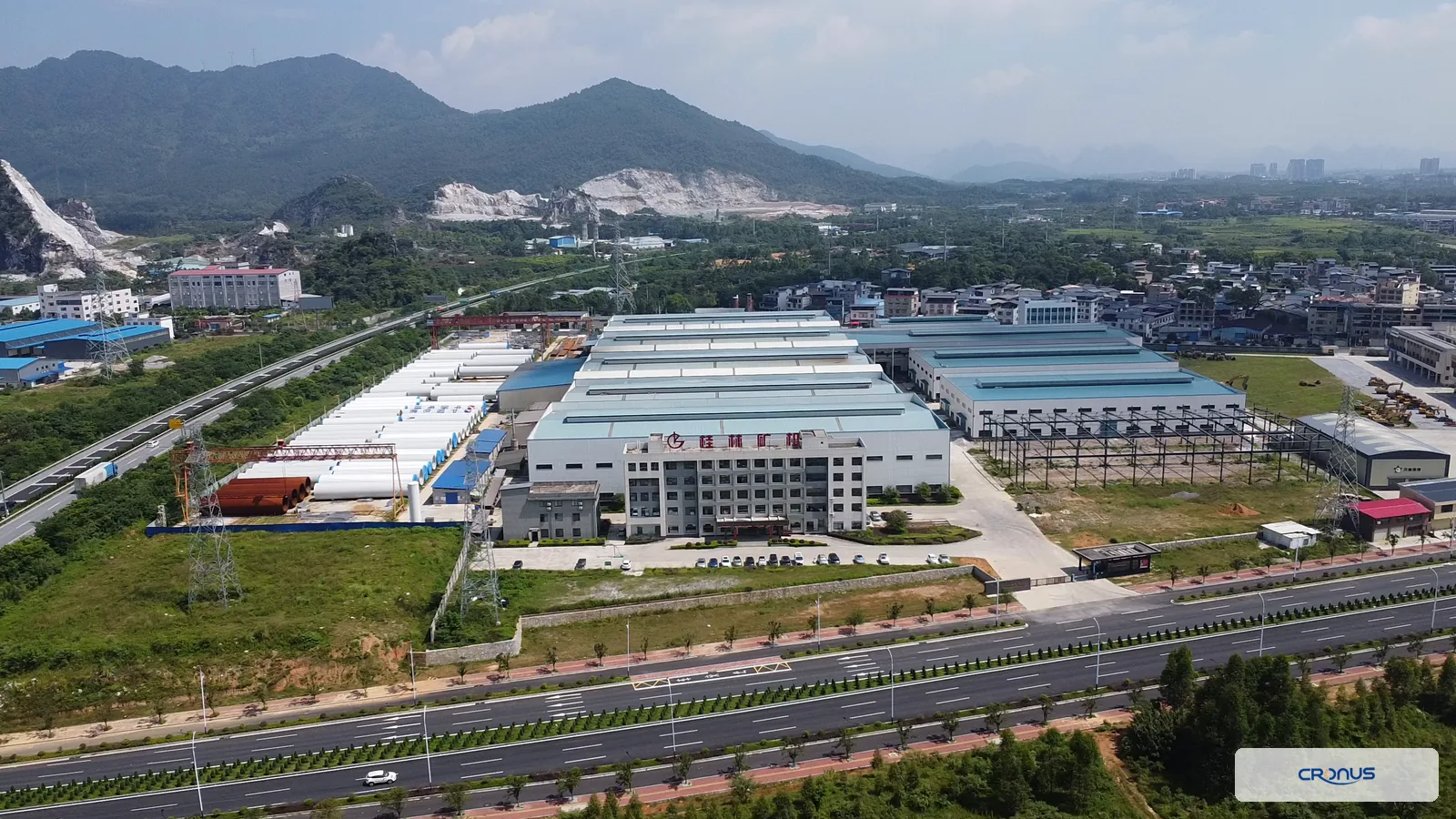
Shanghai Cronus Machinery Co., Ltd. is the international arm of Guilin Mining Machinery Co., Ltd., founded in 1973 in Guilin, Guangxi — one of China's long-established mineral processing equipment works.
That history matters when you buy a crusher. The frame is welded in our own shop, the roll shells are cast in our own foundry, the shafts are turned and heat-treated in-house, and the machine is assembled and run before it is crated. When a part needs replacing ten years from now, the drawing and the pattern are still ours.
From a 50,000 m² manufacturing base we build grinding mills, crushers, sand-making equipment and hydrated lime lines. Cronus handles export engineering, documentation, spare parts and commissioning support for customers outside China — in English, with drawings and manuals to match.
- 1973 Founded as Guilin Mining Machinery
- 50+ years Continuous equipment manufacturing
- 50,000 m² Production base in Guilin
- In-house Foundry, machining, assembly, testing
What we make in-house
- Castings
- Roll shells, roll cores, bearing blocks and wear parts in Mn18Cr2 and ZG270-500.
- Fabrication
- Frames, guards and hoppers, CO₂-shielded welded and stress-relieved.
- Machining
- Shafts, bearing seats and roll journals turned, ground and inspected.
- Assembly & test
- Drive alignment, hydraulic pressure test and a no-load run before dispatch.
Certificates and recognition
Original documents, not stock badges. Click any certificate to view it larger.
Working principle & structure
Two counter-rotating rolls. One controlled gap. That is the whole idea.
Material is drawn into the gap and broken in compression between the shells. Because the break happens in a single nip, the product stays close to the gap setting — the machine does not keep hammering the rock into dust.
-
Feed enters the nip
A feeder spreads material across the full roll width. Feed should be sized and steady; a full-width, metered feed gives even shell wear and a stable throughput.
-
Compression between the shells
The rolls turn toward each other at 82–90 rpm on the 2PGY800×600. Particles are gripped and crushed once between the two surfaces, with a small amount of inter-particle action in a full chamber.
-
Product falls clear
Crushed material drops out by gravity. The gap between the shells sets the nominal top size: close it for sand, open it for aggregate — on 2PGY models, from the hydraulic panel.
Try a roll gap
Move the slider to see how the gap defines the nominal top size. Real product curves vary with material, moisture and roll surface.
Rule of thumb: 3–5 mm for 0–5 mm sand · 8–10 mm for 0–10 mm aggregate. We confirm the setting against your sieve analysis.
What is inside the machine
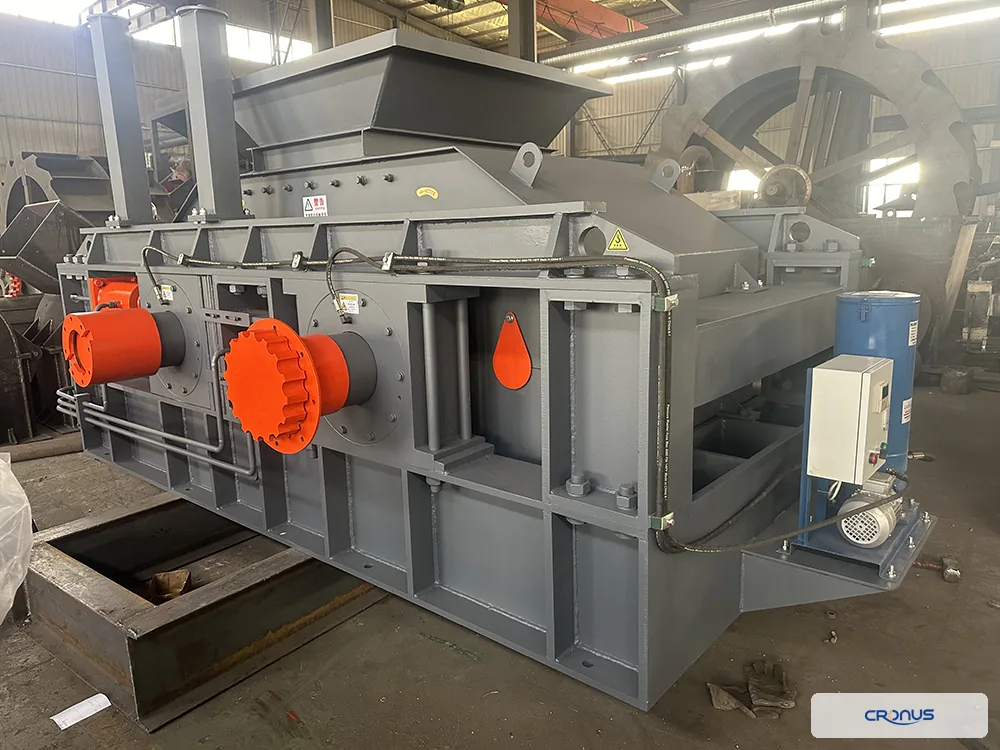
| Assembly | Build detail |
|---|---|
| Rolls | Ø800 × 600 mm shells in Mn18Cr2, bolted to a ZG270-500 core with eight M30 class 8.8 bolts per support disc; shrink-fitted reinforcing discs. |
| Shafts | Forged 42CrMo, Ø180 mm, rough-turned, quenched and tempered, then finish-turned. 82–90 rpm. |
| Bearings | Four 24130CA/W33 spherical roller bearings, sealed with imported packing rings, fed by an automatic pump over four oil lines. |
| Frame | Fully welded Q235: 12 mm base and ribs, 20 mm slideways, 8 mm guard, 20 + 12 mm top beam. CO₂-shielded welds. |
| Drive | Two motors through two ZLY200 hardened-gear reducers (ratio 16) and an SWC180DH-720 industrial drive shaft. |
| Hydraulics | Four Ø160 cylinders, two 16 L accumulators, 20 MPa system pressure, 3 kW pump unit, 120 L tank, digital pressure display. |
Build details shown for a 2PGY800×600 unit. Dimensions and components vary by model; the final bill of materials is confirmed on the order drawing.
Why customers choose this machine
Six things that show up on the balance sheet, not just the brochure.
-
Change the product in minutes
Hydraulic gap adjustment with digital cylinder-pressure display on 2PGY models. No shims, no re-setting the drive, no half-day stoppage when the spec changes.
-
Less over-crushing, more saleable product
Compression in one nip produces a narrower size band than impact crushing. You make the sand or aggregate you sell, and generate less dust that has to be collected.
-
Thick shells that can be replaced on site
Mn18Cr2 shells with extra wall thickness, bolted to a one-piece core. When they wear out you change the shells — not the shaft, discs and bearings with them.
-
Tramp metal does not stop the line
The movable roll retracts against the hydraulic cylinders, the object passes, and the accumulators restore the original gap. On 2PGT models, springs do the same job.
-
Two motors, hardened reducers, automatic lubrication
Redundant drive trains share the load, hardened-gear reducers carry a service factor above the national standard, and the lubrication pump meters four bearing lines without an operator.
-
Compact enough for an existing plant
Low headroom relative to capacity, and no heavy foundation block. That keeps civil works small when you are adding a tertiary stage to a line that already exists.
Factory comparison data for this series reports 30–40% higher output and 20–30% lower total energy use than conventional fine-crushing arrangements in comparable duty. Results depend on material, feed grading and circuit; we will model your case before you buy.
Applications & materials
Where a roll crusher earns its place in the flow sheet
Best suited to medium-hard and soft rock where a defined top size matters more than particle shape. If your material is very hard and abrasive at coarse feed, we will say so and point you to a cone or VSI instead.
Sand & aggregate
Manufactured sand, 0–5 mm, pea gravel and 5–10 mm chips from limestone, granite, river stone and dolomite.
Mining & minerals
Secondary and tertiary reduction of bauxite, manganese ore, barite, feldspar and other medium-hard ores ahead of grinding.
Coal & coke
Coal gangue, raw coal and coke breeze, where a controlled top size and limited fines keep the boiler or briquette line stable.
Cement & lime
Clinker, quicklime and limestone fine crushing; a common stage ahead of a Raymond or vertical mill.
Metallurgy & slag
Blast-furnace and steel slag, ferroalloy slag and refractory scrap, where impact crushers wear quickly.
Chemical & industrial minerals
Quartz, gypsum, bentonite, glass cullet and similar materials requiring a narrow, adjustable product band.
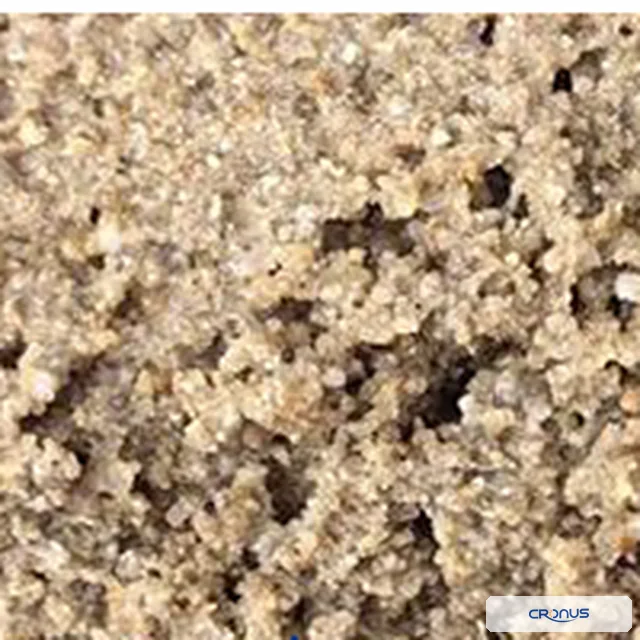
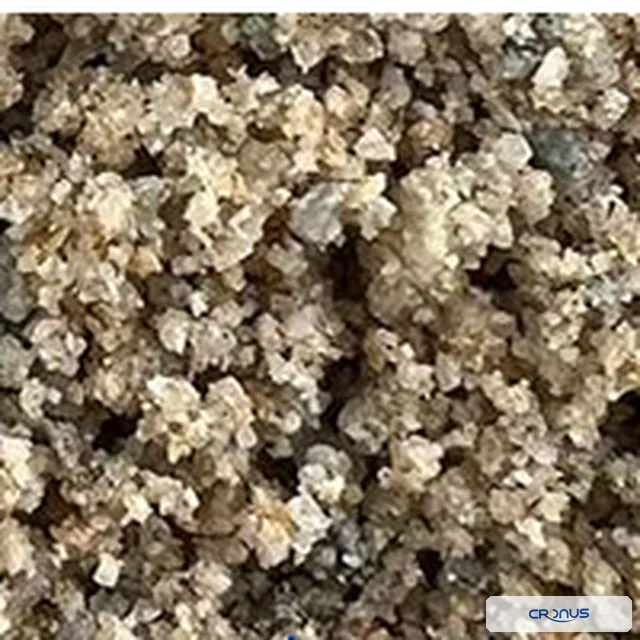
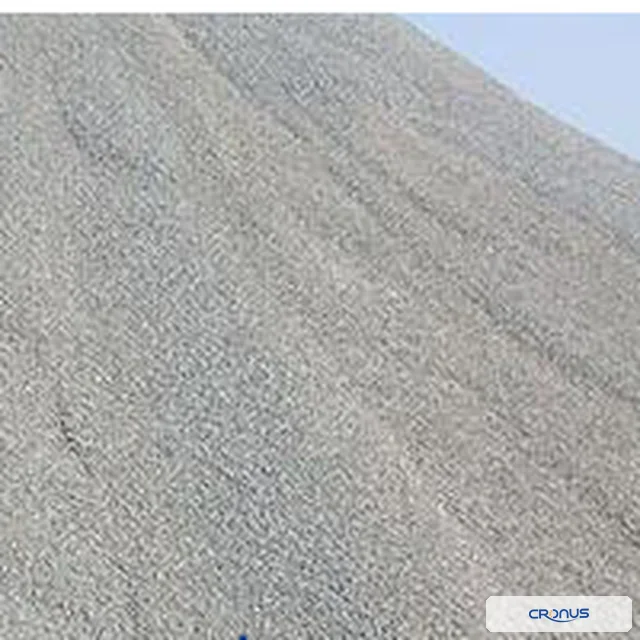
Materials we test and quote every week
Limestone · Granite · Basalt · River pebble · Dolomite · Coal gangue · Coke · Quartz · Feldspar · Bauxite · Barite · Blast-furnace slag · Clinker · Gypsum · Glass cullet
Send 20–50 kg of your material and we will run a gap test and return a sieve analysis with the recommended model, roll surface and screen aperture. That removes most of the risk from the quotation.
Ask for a material testIn operation
This is a working unit taking screened feed and discharging directly onto the collecting conveyor. Note the steady, full-width curtain of material — that is what keeps shell wear even and capacity predictable.
- Metered, full-width feed
- Discharge conveyor matched to peak tonnage
- Dust suppression at transfer points
Performance data
Fourteen models, from laboratory scale to 350 t/h.
2PGT = spring protection, V-belt drive. 2PGY = hydraulic protection, coupling drive, hydraulic gap adjustment. Capacities are for continuous duty with properly graded feed.
Scroll the table sideways on a phone →
| Model | Protection | Roll Ø × width | Max feed | Capacity | Power | Weight |
|---|---|---|---|---|---|---|
| 2PGT400×250 | Spring | 400 × 250 mm | ≤25 mm | 2–10 t/h | 2 × 5.5 kW | 1.3 t |
| 2PGT400×400 | Spring | 400 × 400 mm | ≤25 mm | 5–12 t/h | 2 × 7.5 kW | 2.3 t |
| 2PGT610×400 | Spring | 610 × 400 mm | ≤30 mm | 5–20 t/h | 2 × 15 kW | 3.9 t |
| 2PGT750×500 | Spring | 750 × 500 mm | ≤30 mm | 10–40 t/h | 2 × 18.5 kW | 9.5 t |
| 2PGT800×600 | Spring | 800 × 600 mm | ≤40 mm | 12–50 t/h | 2 × 22 kW | 10.8 t |
| 2PGY800×1000 | Hydraulic | 800 × 1000 mm | ≤40 mm | 50–80 t/h | 2 × 30 kW | 13.6 t |
| 2PGY1000×800 | Hydraulic | 1000 × 800 mm | ≤40 mm | 45–80 t/h | 2 × 30 kW | 15.9 t |
| 2PGY1000×1000 | Hydraulic | 1000 × 1000 mm | ≤40 mm | 50–100 t/h | 2 × 37 kW | 18.5 t |
| 2PGY1000×1200 | Hydraulic | 1000 × 1200 mm | ≤40 mm | 50–120 t/h | 2 × 45 kW | 19.5 t |
| 2PGY1200×1000 | Hydraulic | 1200 × 1000 mm | ≤50 mm | 60–130 t/h | 2 × 55 kW | 23.5 t |
| 2PGY1200×1200 | Hydraulic | 1200 × 1200 mm | ≤50 mm | 80–150 t/h | 2 × 75 kW | 26.5 t |
| 2PGY1500×1000 | Hydraulic | 1500 × 1000 mm | ≤80 mm | 120–200 t/h | 2 × 110 kW | 36.5 t |
| 2PGY1800×1000 | Hydraulic | 1800 × 1000 mm | ≤80 mm | 150–230 t/h | 2 × 132 kW | 36.9 t |
| 2PGY2000×1000 | Hydraulic | 2000 × 1000 mm | ≤100 mm | 320–350 t/h | 2 × 220 kW | 53.6 t |
Capacity figures are nominal and depend on feed grading, bulk density, moisture, gap setting and the roll surface fitted. Motors, voltage and enclosure are selected for your site. Outline drawings and foundation loads are issued with every order.
Not sure which model? Send feed size, target product and t/h — we reply with a model and a gap recommendation.
Ask an engineerChoosing between crusher types
A roll crusher is not a universal crusher. Here is where it wins.
The honest comparison: each machine below is the right answer somewhere. The question is what your product spec and your feed actually demand.
| Criterion | Double-roll (2PGY) | Jaw crusher | Hammer crusher | VSI / sand maker |
|---|---|---|---|---|
| Typical stage | Secondary / tertiary | Primary | Secondary | Tertiary / shaping |
| Reduction per pass | 3–5 : 1, adjustable | 3–6 : 1 | 10–25 : 1 | 3–6 : 1 |
| Product size control | Direct — the gap sets top size | Fixed by setting, coarse | Indirect, wide curve | Indirect, rotor speed |
| Over-crushing / fines | Low | Very low | High | High |
| Wet or sticky feed | Tolerant | Tolerant | Prone to clogging | Sensitive |
| Wear cost per tonne | Low on medium-hard rock | Very low | High on abrasive rock | High (rotor tips) |
| Particle shape | Angular, good for base and sand | Angular, coarse | Mixed, more fines | Best cubical shape |
| Footprint / headroom | Compact, low | Tall, heavy foundation | Compact | Tall, needs surge bin |
| Hard, abrasive ore | Moderate — use a cone instead | Suitable | Not ideal | Not ideal |
Choose the double-roll crusher when
- Your product is sold to a top-size spec (0–5 mm, 0–10 mm) and excess fines are a cost, not a bonus.
- Feed is wet, sticky or variable, and a hammer mill keeps blinding.
- You need to change the setting between campaigns without rebuilding the circuit.
- You want a compact tertiary stage that fits inside an existing building.
- You are feeding a grinding mill and want a narrow, consistent mill feed.
For primary reduction of hard, abrasive rock, use a jaw or gyratory. For cubical concrete aggregate, a VSI still shapes better. We supply all of these — the recommendation will not be biased by what we have in stock.
Wear parts & spares
The parts that wear are the parts we cast ourselves.
Roll shells, bearing blocks and wear plates come out of our own foundry to the original pattern and drawing. That is why the spare fits, why the price is direct, and why the lead time is measured in days rather than months.
Roll shells
Mn18Cr2, extra wall thickness, plain or toothed surface to suit the material. Supplied as a matched pair.
Roll core assembly
ZG270-500 core, discs and reinforcing discs, with the M30 class 8.8 bolt set.
Bearings & seals
24130CA/W33 spherical roller bearings (or the model-specific size) and imported packing-ring seals.
Hydraulic components
Cylinder seal kits, imported oil seals, accumulators and pressure gauges for 2PGY models.
Drive train
SWC-series industrial drive shafts, couplings, hardened-gear reducers and motors.
Lubrication & guards
Automatic lubrication pumps, metering lines, guard liners and inspection covers.
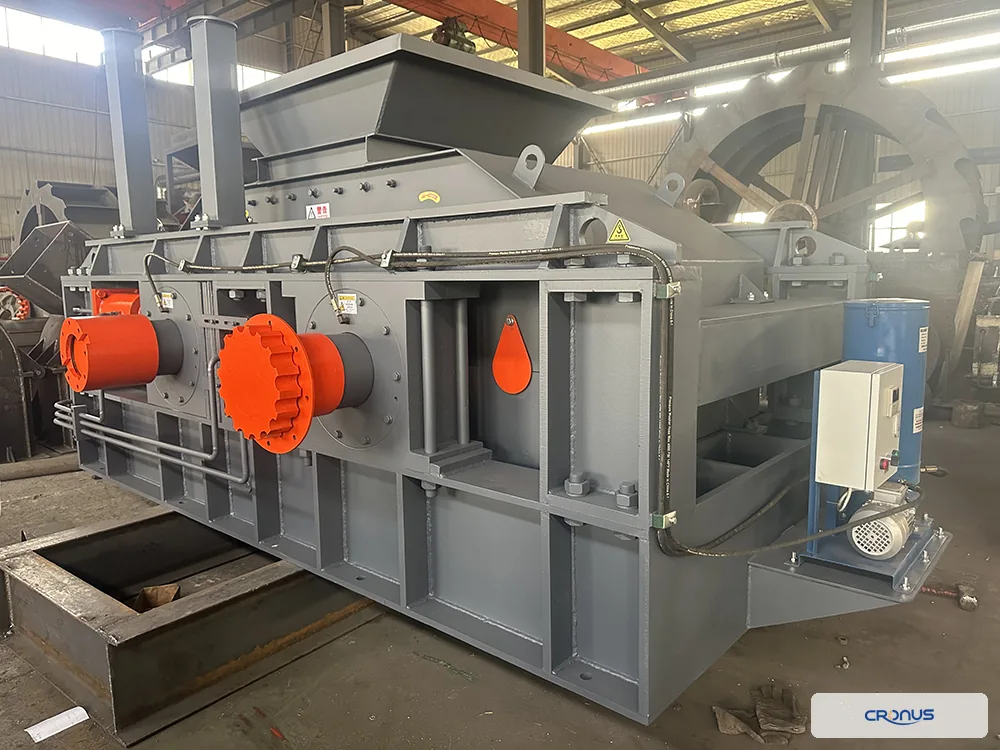
- Original tooling. Made from our drawings, not reverse-engineered.
- Own foundry. Cast chemistry and heat treatment under our control.
- Direct price. No distributor margin between the foundry and your store.
- Stock programme. Common shells and bearings held for fast dispatch.
To quote a part, send the model, serial number and a photo of the nameplate. We will confirm the drawing revision before anything is cast.
From our workshop and our customers' plants
Machines you can trace from steel plate to start-up.
Photographs from our own production and site records. Project references by material and capacity are available on request.
What we need to quote a project
Feed material and size · target product and tonnage · hours per day · existing circuit and screen apertures · power available · site altitude and ambient conditions.
Beyond crushing
If the next step is powder, the mill comes from the same works.
A roll crusher makes a consistent, narrow feed for a grinding mill. Buying both from one supplier means the interfaces — capacity, feed size, dust collection, layout — are designed together instead of negotiated between vendors.
-
Raymond mill
38–180 µm
The workhorse for limestone, barite, calcite and dolomite. Proven, simple, widely supported.
Raymond mill range -
Vertical roller mill
High capacity
For large tonnages of cement raw meal, slag and non-metallic minerals, with lower specific power.
Vertical roller mills -
Ultrafine ring roller mill
5–45 µm
For coatings, fillers and mineral powders that need a fine, closely graded product.
Ultrafine mills -
Ball mill
Fine grinding
For hard or abrasive materials and where a simple, robust circuit is preferred.
Ball mills
A typical circuit we build
- Hopper & vibrating feeder
- Double-roll crusher
- Vibrating screen
- Grinding mill
- Classifier & dust collector
- Finished powder silo
Service & support
We are still answering the phone ten years after the invoice.
Selection and circuit design
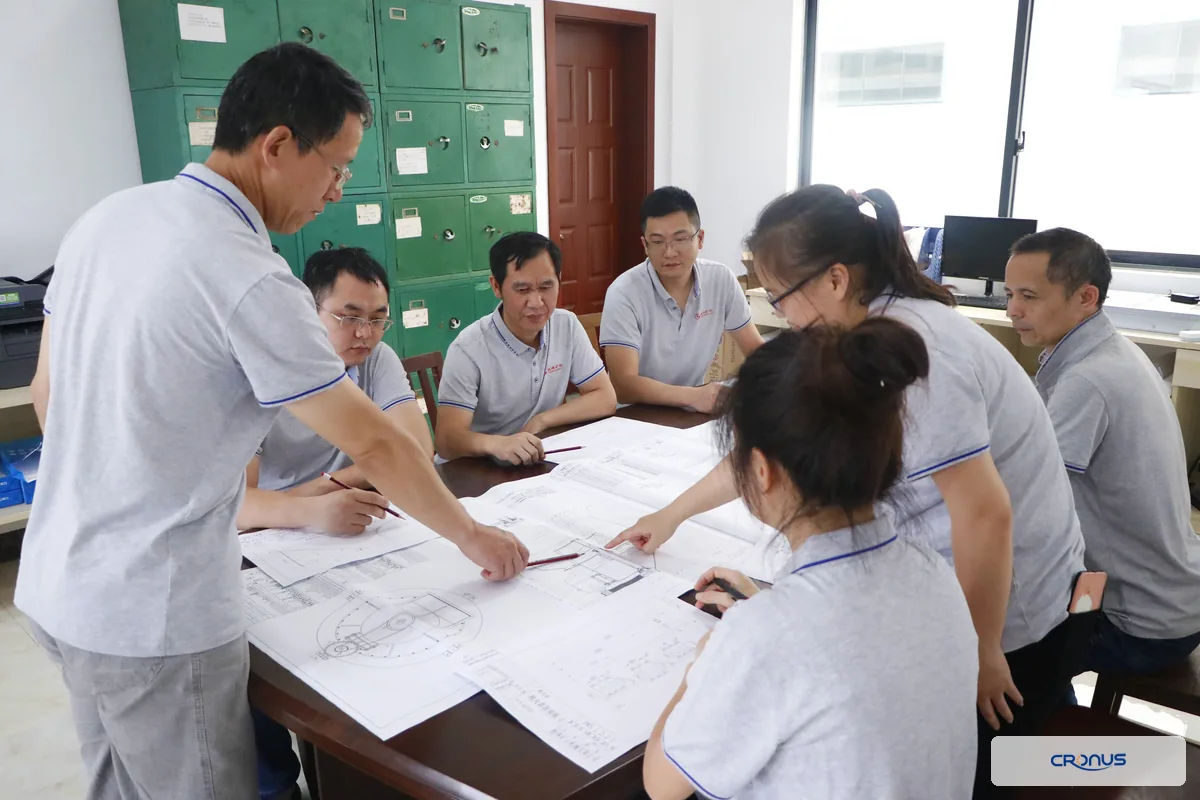
We size the crusher against your screen aperture and circulating load, not against a brochure headline. Drawings show the interfaces with your existing conveyors.
Material testing
Send a sample; we run it through a gap test and return the sieve curve with a recommended setting and model.
Installation & commissioning
Foundation and layout drawings with the order. A commissioning engineer can attend for alignment, hydraulic set-up, load testing and operator training.
Spares & wear parts
Own-foundry parts to original drawings, with a stock programme for common shells, bearings and seals.
Remote support
Video call with the commissioning team, in English, during your working hours. Most setting and hydraulic questions are solved the same day.
Documentation
Operation and maintenance manuals, spare-parts books, electrical schematics and inspection records, supplied in English.
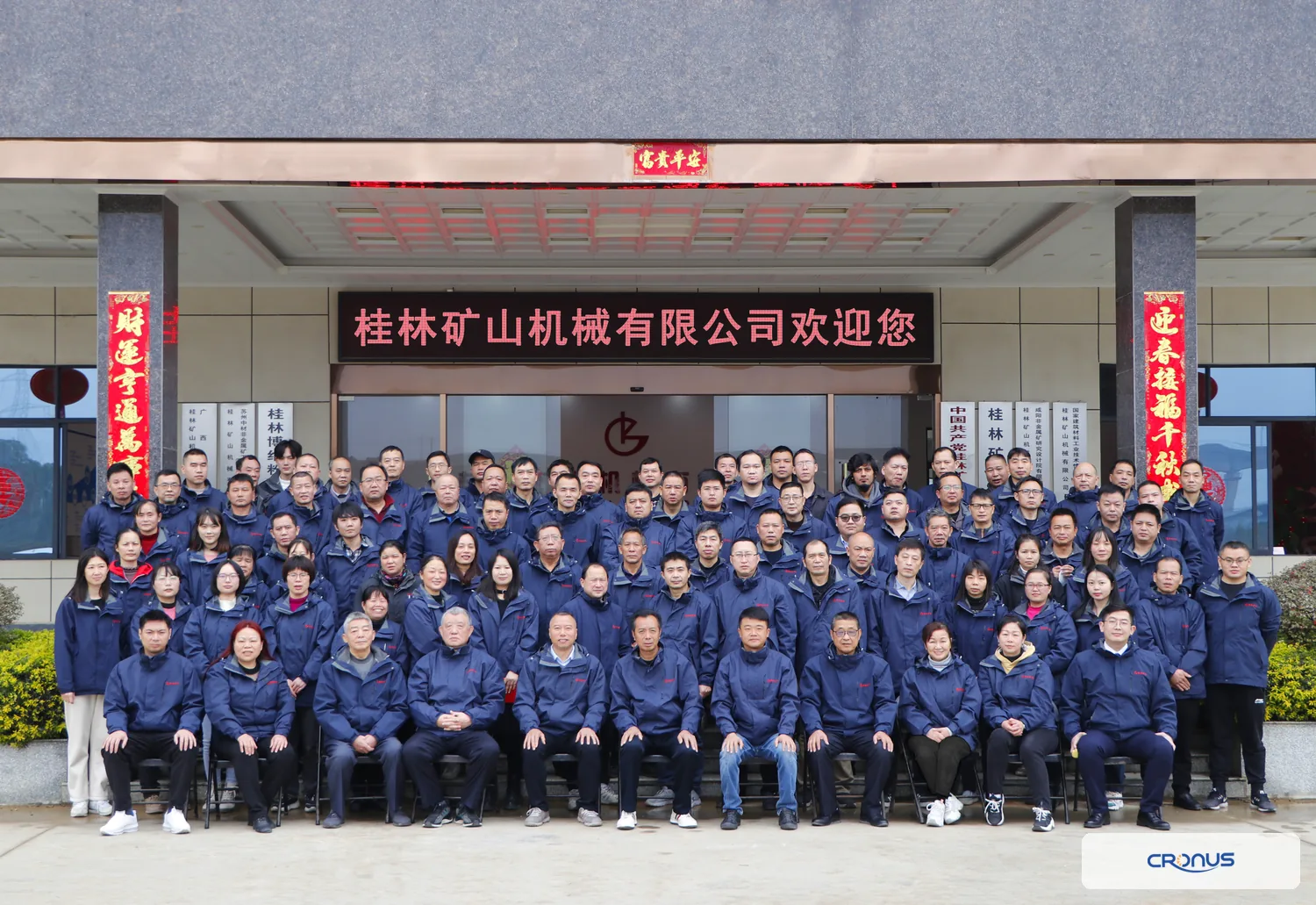
Recent customer meetings
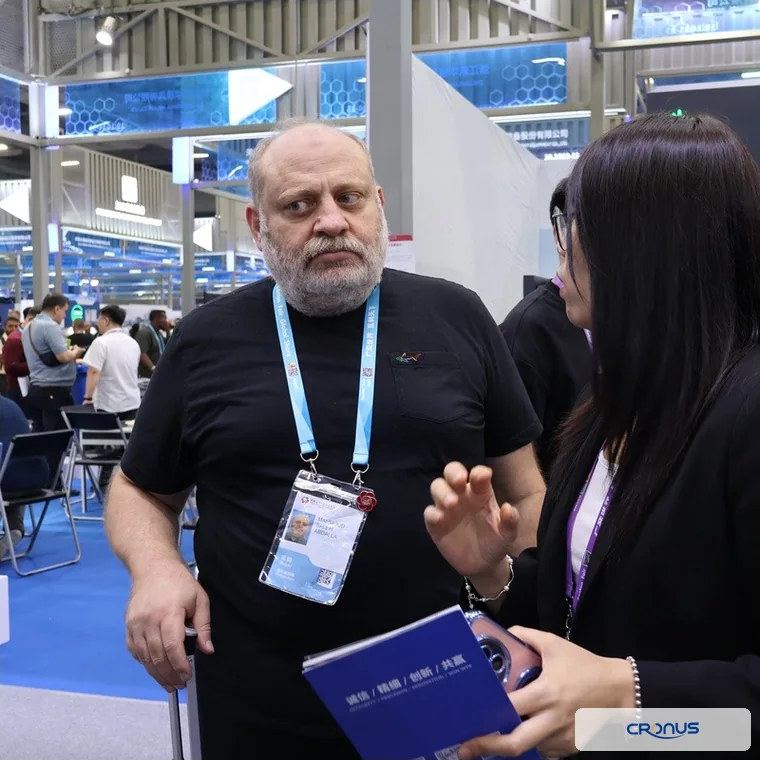
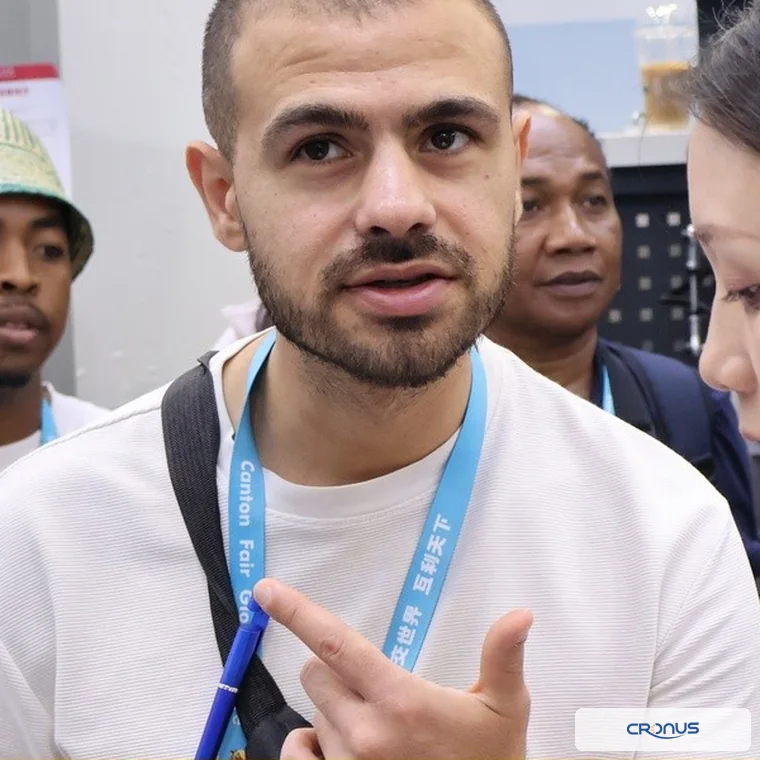

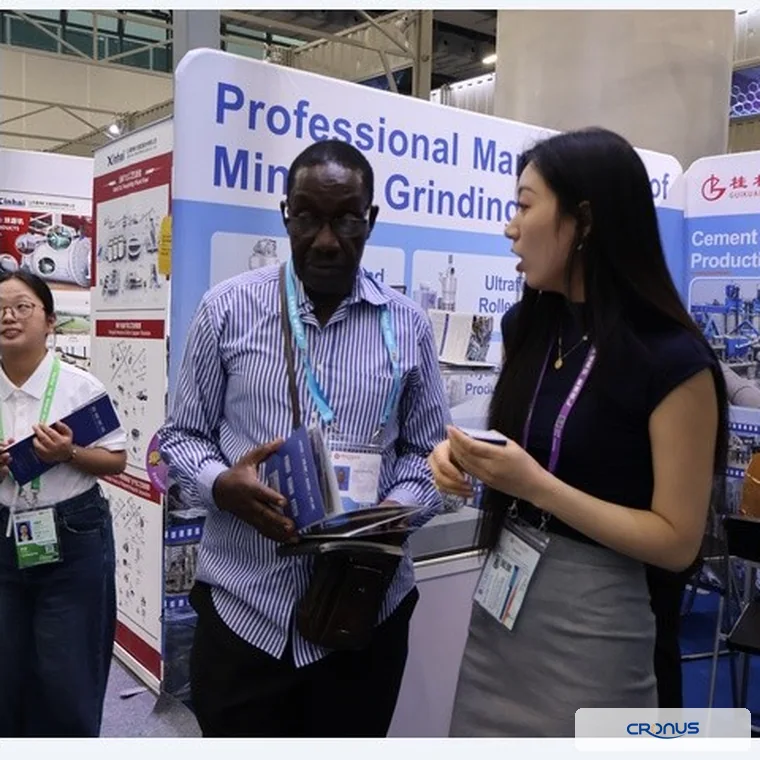
Photographs from our exhibition and customer-visit records.
Questions buyers actually ask
FAQ
Twelve questions we answer on almost every enquiry. If yours is not here, ask — the reply comes from an engineer, not a chatbot.
Ask your questionWhat is the difference between the 2PGT and 2PGY series?
2PGT models use spring protection and V-belt drive. 2PGY models use hydraulic protection, a hydraulic roll-gap system and coupling drive. Choose 2PGY when you need repeatable gap settings, higher capacity or automatic tramp-metal release; choose 2PGT for small capacities and simpler budgets.
What product size can a double-roll crusher produce?
The roll gap sets the nominal top size. With a 4 mm gap the product is typically 0–4 mm; with a 10 mm gap, 0–10 mm. The fines content is much lower than with impact crushers. The exact curve depends on the material and the roll surface, which is why we test samples before quoting.
Can it crush wet or sticky material?
Yes, within limits. Compression crushing tolerates higher moisture than hammer or impact crushers, which blind and clog. Very sticky, clay-rich feed may need a scraper or a different roll surface — describe the material and we will advise before you order.
What happens when tramp metal enters the chamber?
On 2PGY models the hydraulic cylinders let the movable roll retract, the object passes, and the accumulators return the roll to the preset gap. 2PGT models use springs for the same function. The machine keeps running instead of stalling or breaking a shaft.
What is the maximum feed size?
From 25 mm on the smallest 2PGT400×250 to 100 mm on the 2PGY2000×1000. As a rule, keep the feed below about one third of the roll diameter for a stable nip and even shell wear.
How long do the roll shells last, and can they be replaced on site?
Shell life depends on silica content, feed size and gap. Mn18Cr2 shells are thicker than conventional shells and bolted to the core, so they are replaced individually with the machine in place — the shaft, discs and bearings stay.
Can the motors be supplied for our voltage and frequency?
Yes. Motors are selected for your site voltage, frequency and enclosure at quotation stage, and the hydraulic and lubrication controls are supplied to match.
Do you supply the complete crushing and screening line?
Yes — hopper and feeder, vibrating screen, belt conveyors, dust collection and steel structure, plus the downstream grinding mill if you are producing powder. One supplier and one set of interface drawings.
How do I calculate the capacity I need?
Start from finished-product tonnage per hour and the circulating load of your screen. Give us the material, bulk density, feed size and target product, and we will size the model and screen aperture together.
What is the delivery time?
Standard models are built for stock and can often ship quickly. Custom configurations and complete lines are scheduled at order confirmation, and the quotation states a dated shipping plan.
Do you provide installation and training?
Yes. Layout and foundation drawings come with the order, and a commissioning engineer can attend for installation supervision, operator training and a performance check against the agreed duty.
How do spare parts and warranty work?
Wear and spare parts are produced in our own foundry and machine shop to the original drawings, and common items are stocked for fast dispatch. Warranty terms are stated in the contract; an extended motor warranty is available in selected regions.
Talk to an engineer
Tell us what you are crushing. We will tell you what it takes.
Send your material, feed size and target tonnage. You will get a model recommendation, a gap setting and an outline drawing — usually within one business day.
- Phone / WhatsApp +86 199 2122 1418
- Email sales@shcronus.com
-
Office
Room 801, Building 2, Shanghai Zhicheng,
No. 8666 Hunan Highway, Pudong New Area,
Shanghai, China -
Works
Guilin Mining Machinery Co., Ltd.,
Guilin, Guangxi, China -
Hours
Monday–Saturday, 08:30–18:00 GMT+8